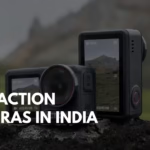




The DJI Osmo Pocket 3 is a premium handheld gimbal camera designed for video creators, vloggers, and anyone who wants high-quality cinematic footage without bulky gear. Launched in late 2023, it brings significant upgrades over the Pocket 2 including a larger sensor, faster frame rates, improved color grading tools, and more convenience in use.
Key Features & Specifications
Here are the standout specs and core features of the Pocket 3:
Real-World Performance
What It Excels At
- Low-light capability is significantly better than many smaller-sensor pocket cams. The 1-inch sensor helps retain detail, reduce noise. Users report solid image quality even in challenging light.
- Stabilization & motion are very strong. The 3-axis gimbal keeps shots fluid during walking, moving action. ActiveTrack 6.0 also helps keep subjects centered smoothly.
- Flexible shooting formats: Vertical, horizontal, square, different frame rates, slow-motion, timelapse/hyperlapse. Great for content aimed at social media or cinematic video.
- Color grading potential: With 10-bit D-Log M and HLG, there’s room to post-process for color fidelity, highlight and shadow detail.
Limitations / Trade-Offs
- Not waterproof out of the box—requires careful handling in harsh wet conditions.
- High bitrate 4K120 and slow-motion modes generate large files—requires strong storage and editing hardware.
- Audio sync issues reported when using external mics (Mic 2) with backup recording in some cases.
- Price is premium, especially for Creator or accessory bundles. Value depends on how much you need those added features.
Pros & Cons
Pros
- 1-inch sensor, improved dynamic range
- 4K120 video + slow motion + flexible shooting ratios
- Mechanical 3-axis stabilization, ActiveTrack 6.0
- Rotatable touchscreen, allowing vertical video easily
- Strong color profiles (10-bit), good low light performance
Cons
- Lack of waterproof ruggedness without accessories
- Large video files, demanding on storage and editing
- Some sync issues with external audio in certain setups
- Higher price point
Who It’s Best For
- Vloggers and content creators who want pro-level footage but still want to travel light.
- Users who produce content for multiple platforms—YouTube, Instagram Reels/TikTok—because of its ability to shoot vertical / square formats.
- Filmmakers wanting B-roll, travel video, interviews where stabilization and low light matter.
Might be less ideal if your use is rugged adventure or underwater, or if you rarely shoot in low light or high frame rates.
Comparisons: Pocket 3 vs Pocket 2
FAQs
Q1: What is the max resolution & frame rate of the Pocket 3?
4K at up to 120 fps; plus slower motion modes at 2.7K and 1080p.
Q2: Does it support external microphones?
Yes, it can work with external mics like the Mic 2 for improved audio.
Q3: How is the battery life?
Good for its class many users report full-day use with moderate settings (4K/60 etc.). Larger battery or handles help extend usage.
Q4: Does it shoot vertical video?
Yes, the rotatable touchscreen lets you easily switch between horizontal and vertical modes.
Q5: Is it good for low light?
Much better than Pocket 2, thanks to the 1-inch sensor and improved image processing. Still not infallible noise appears when light is very poor.
Verdict
The DJI Osmo Pocket 3 is a standout compact camera. It brings powerful features into a tiny form especially with its larger sensor, fast frame rates, stabilization, and flexible shooting formats. For creators who want pro capabilities without the weight of larger systems, it’s one of the best options around. The trade-offs (cost, storage, ruggedness) are real, but for many users the advantages outweigh them.